Last updated on October 31st, 2025 at 09:30 pm
Ever received a message that just said “WTV” and wondered what it meant? You’re not alone. With texting slang evolving faster than ever, abbreviations like WTV often leave people puzzled. Commonly used across texting, Snapchat, and social media, this casual shorthand reflects modern communication’s quick and effortless style.
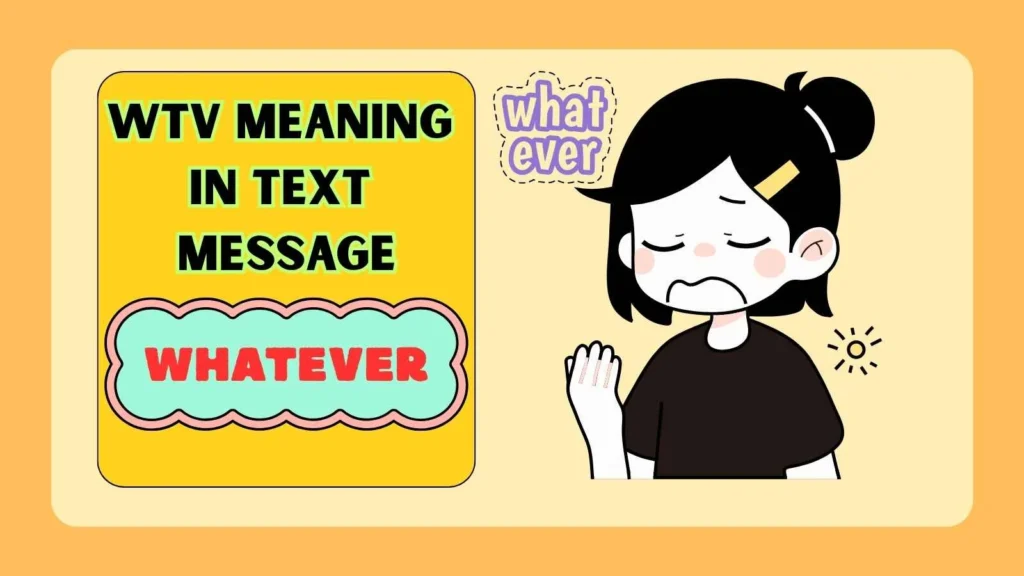
The phrase WTV stands for “Whatever”, and it’s often used to express indifference, agreement, or mild annoyance—depending on tone and context. It’s short, simple, and perfectly captures the nonchalant attitude of digital conversations.
People search for the meaning of WTV in text messages to decode its emotional intent: Is the sender being chill, dismissive, or sarcastic? This article breaks down the term in full covering its definition, history, usage, and how to respond appropriately. By the end, you’ll be texting like a pro, fully aware of what WTV really means and when to use it wisely.
Definition & Meaning
In text messaging, WTV is the abbreviation of the word “Whatever.” It’s used to express a relaxed attitude or indifference toward a topic. Depending on the tone, WTV can mean:
- Acceptance: “Sure, wtv you want.”
- Dismissal: “Wtv, I don’t care anymore.”
- Sarcasm: “Yeah, wtv, you’re always right.”
The versatility of WTV makes it one of the most commonly used slang terms in casual chats. It helps users sound effortless and detached, especially in fast-moving online conversations.
In essence, WTV represents emotional distance or disinterest. However, its meaning largely depends on context, punctuation, and relationship between the sender and receiver. A friend might use it playfully, while a partner might use it to signal frustration.
Background & History
The abbreviation WTV emerged during the early 2000s when SMS texting first became popular. Back then, character limits (like 160 characters per text) encouraged shorter, quicker ways to express thoughts. “Whatever” was shortened to “WTV” to save space—yet it carried the same casual tone.
As messaging evolved from SMS to instant platforms like WhatsApp, Snapchat, and Instagram, the slang spread globally. It became a staple among teens and young adults who valued speed and informality.
Over time, WTV also gained a subtle emotional tone—it could signal agreement, boredom, or even sarcasm. Today, it remains a timeless abbreviation, bridging generations of digital communicators who prefer short, expressive texting styles.
Usage in Various Contexts
The beauty of WTV lies in its flexibility. Here’s how it changes meaning depending on context:
- Friendly Chats: “Wtv, I’ll come if I can.” → Casual acceptance.
- Arguments: “Wtv, do what you want.” → Dismissive or irritated tone.
- Group Texts: “Let’s meet at 7?” “Wtv works.” → Easygoing agreement.
- Social Media Comments: “Wtv, this trend’s overrated.” → Disinterest or opinionated tone.
Tone plays a key role. Adding punctuation, like “WTV.” or “WTV!”, can shift the meaning from chill to annoyed. Emojis can also clarify tone—adding a 😅 or 😂 makes it playful, while 😒 or 🙄 signals frustration.
Common Misconceptions & Clarifications
Many assume WTV is rude or dismissive, but that’s not always the case. It depends on how it’s used.
- Misconception 1: WTV always means “I don’t care.”
→ Not true. It can also mean “I’m fine with anything.” - Misconception 2: It’s unprofessional in every setting.
→ While informal, it can be used casually among coworkers in relaxed chats. - Misconception 3: It’s only for teens.
→ False. Adults also use it to sound easygoing or humorous.
Clarity is key. If you’re unsure how it’ll come across, adding an emoji or explanation can help avoid misunderstandings.
Similar Terms & Alternatives
If you want to express a similar tone without using WTV, here are a few alternatives:
- IDC – I don’t care
- IDK – I don’t know
- TBH – To be honest
- LOL – Laugh out loud (for softening tone)
- NVM – Never mind
Each of these shares WTV’s casual, effortless energy, though they vary in emotional strength. “IDC” is more direct, while “NVM” suggests withdrawal. Choose wisely based on your mood and relationship.
How to Respond to This Term
When someone texts “WTV”, context is everything. Here are some smart ways to respond:
- If they’re annoyed: “You seem upset—want to talk about it?”
- If they’re casual: “Cool! Glad you’re chill about it.”
- If it’s sarcastic: “Haha okay, tell me what you really think.”
- If it’s romantic tension: “Wtv? You sure about that?”
A thoughtful response can transform a cold “WTV” into an open conversation. Avoid mirroring the same dismissive tone unless you mean it.
Regional or Cultural Differences
While WTV is popular globally, its tone can vary across regions:
- U.S. & Canada: Often used sarcastically or playfully.
- UK & Australia: Usually lighthearted, meaning “no problem.”
- Asia (e.g., Philippines, India): Adopted in online chats, often seen as trendy or Westernized.
In some cultures, WTV might sound rude or uninterested, especially in professional settings. Always gauge familiarity before using it with someone new.
Comparison with Similar Terms
Comparing WTV with similar abbreviations helps clarify its emotional tone:
| Term | Full Form | Emotional Tone | Use Case |
|---|---|---|---|
| WTV | Whatever | Indifferent / Chill | Everyday texting |
| IDC | I Don’t Care | Direct / Strong | Arguments |
| NVM | Never Mind | Withdrawal / Polite | Ending a topic |
| OK | Okay | Neutral | Agreement |
| K | Okay (short) | Blunt / Cold | Quick replies |
As you can see, WTV balances between casual and dismissive—making it versatile but tricky in tone.
Usage in Online Communities & Dating Apps
In online spaces like TikTok, Discord, or dating apps, WTV has become a shorthand for laid-back energy.
- On Dating Apps: Used to seem easygoing, like “Wtv works for our first date.”
- In Gaming Chats: “Wtv, I’ll switch roles.” → Indicates cooperation.
- On Social Media: “Wtv, I’ll post it anyway.” → Suggests self-confidence.
Its casual vibe helps users sound less serious, more spontaneous. But using it too often can make you seem uninterested or passive, so moderation matters.
Hidden or Offensive Meanings
While WTV is usually harmless, tone can shift it negatively. When said aloud or typed with frustration (“WTV.” or “Whatever.”), it can sound dismissive or disrespectful.
In emotionally charged conversations, WTV might be interpreted as:
- Avoiding confrontation
- Ignoring feelings
- Showing disinterest
To avoid confusion, clarify intent with follow-up messages or emojis. Context always decides whether WTV feels chill or cold.
Suitability for Professional Communication
In formal or workplace settings, avoid using WTV. It can appear lazy or unprofessional. Instead, use phrases like:
- “I’m flexible with either option.”
- “Whatever works best for you.”
- “I’m okay with that.”
However, in relaxed team chats or among peers, using WTV lightly can add a friendly, conversational tone—just ensure your colleagues understand informal lingo.
💬 What Does WTV Mean From a Girl

- 💕 WTV stands for “Whatever”, but the tone depends on how she says it.
- 😏 Sometimes it means she’s playing it cool or doesn’t want to argue.
- 😇 Other times, she’s being chill and showing she’s not bothered.
- 😤 If used after a disagreement, it might mean she’s annoyed but done talking.
- 😌 When used casually, it shows she’s relaxed or easygoing.
- 💬 “WTV” can also mean she’s letting you decide — like, “Whatever you want.”
- ❤️ In flirty chats, it might be a teasing or playful response.
- 😅 If she uses emojis after it, the meaning gets softer or funnier.
- 🧠 Context always matters — tone, timing, and emojis tell the real intent.
- ✨ Overall, “WTV” means she’s either chill or subtly expressing feelings.
📱 What Does WTV Mean on Snapchat

- 👻 On Snapchat, “WTV” usually means “Whatever” in a casual, quick reply.
- 💬 It’s often sent to end a convo politely without sounding rude.
- 📸 When paired with a selfie, it might show confidence or nonchalance.
- 🔥 Used in streaks, it means no big deal, just keeping it going.
- 😎 Teen users send “WTV” to sound cool, unbothered, or funny.
- 🧠 Tone is key — no punctuation = chill; periods = annoyed.
- 💕 Sometimes it’s flirty: “WTV 😜” means “You decide — I don’t mind.”
- 📲 Often appears in casual replies like “WTV, I’m down” or “WTV lol.”
- 🕶️ Shows emotional detachment — users want to seem effortless.
- ✨ Overall, “WTV” adds a touch of sarcasm, humor, or laid-back vibes.
💌 WTV Meaning in Text Message From a Girl
- 💬 In texting, “WTV” = Whatever, but tone defines emotion.
- 😅 Used jokingly, it’s a light, teasing way to end a convo.
- 😤 After an argument, it signals mild irritation or withdrawal.
- ❤️ When she’s chill, it means “I’m fine with whatever you choose.”
- 🤷♀️ It can show indifference — she doesn’t want to overthink it.
- 😇 Some girls use it to avoid conflict or soften disagreement.
- 😜 Add a playful emoji, and it means “Whatever, you’re cute though.”
- 🧠 Text context matters — punctuation, caps, and timing reveal intent.
- 📲 “WTV.” (with a period) = annoyed; “WTV lol” = casual or flirty.
- ✨ Bottom line: “WTV” in texts is tone-based — chill, funny, or frustrated.
FAQs
1. What does WTV mean in a text message?
It means “Whatever,” often expressing indifference, flexibility, or mild annoyance.
2. Is WTV rude?
Not always—it depends on tone and relationship context.
3. Can I use WTV in professional emails?
No, it’s too informal for workplace communication.
4. What’s the difference between WTV and IDC?
“WTV” is softer, while “IDC” directly shows disinterest.
5. What does WTV mean on Snapchat?
It means “Whatever,” often used casually or playfully in quick snaps.
6. How should I respond to WTV?
Stay calm—ask for clarity or respond lightly depending on tone.
Conclusion
In a world of rapid-fire communication, WTV perfectly captures modern texting’s chill and carefree essence. It’s short, flexible, and emotionally loaded all depending on context. Whether you’re decoding it from a friend, a crush, or a coworker, understanding its tone is key.
Use WTV sparingly and thoughtfully it can either smooth conversations or cause misunderstandings. Now that you know its meaning, history, and nuances, you’ll never be confused by this three-letter slang again.
